BlackBerry: The Rise and Fall of a Smartphone Giant
There was a time when pulling a BlackBerry out of your pocket actually meant something. It wasn’t just another phone — it was a badge. Executives, politicians, lawyers, and bankers carried it like a symbol of being constantly connected and in control. The satisfying click of its physical keyboard was the soundtrack of productivity. For years, if you were serious about work, you had a BlackBerry.
Then the world changed, and BlackBerry didn’t change fast enough.
How It All Started
BlackBerry’s roots go back to 1984 in Waterloo, Ontario, when two engineering students — Mike Lazaridis and Douglas Fregin — founded Research In Motion (RIM). The company began by working on wireless data tech, not phones. Their big breakthrough came in the late 1990s with pagers that could receive email wirelessly.
By the early 2000s, BlackBerry devices were transforming how people worked. For the first time, professionals could get real-time emails on the go without needing to boot up a laptop. The push email system was reliable, the QWERTY keyboard was fast for typing long messages, and the security was rock-solid. Banks, governments, and large corporations trusted it completely.
BlackBerry Messenger (BBM) made things even better — it offered quick, free, and encrypted messaging long before WhatsApp existed. People got so hooked that the devices earned the nickname “CrackBerry.”
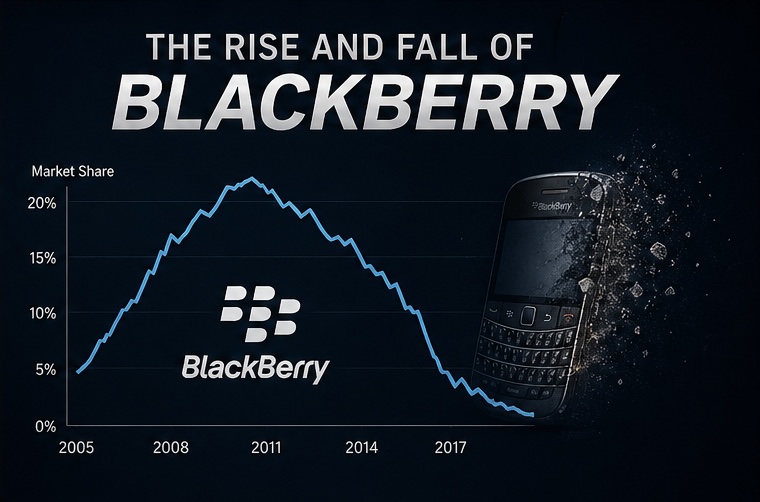
At its peak around 2009–2010, BlackBerry controlled about 50% of the U.S. smartphone market and close to 20% worldwide. It had over 80 million active users globally, and its stock price was flying high.
The iPhone Moment
Everything shifted in January 2007 when Steve Jobs walked on stage and introduced the first iPhone. BlackBerry’s top executives didn’t panic. Lazaridis and co-CEO Jim Balsillie reportedly saw the iPhone as a flashy consumer toy — no physical keyboard, weak security for business, and mostly useful for playing music or browsing the web.
They underestimated how much the iPhone would reshape everyone’s expectations of what a phone could be. It replaced buttons with a sleek multitouch screen. It felt modern and fun. Then, in 2008, Apple launched the App Store, turning the phone into a platform for thousands of apps.
Google’s Android followed, giving lots of phone makers an easy way to build their own devices. Suddenly the market exploded with choices, and consumers loved it.
The Mistakes That Hurt Most
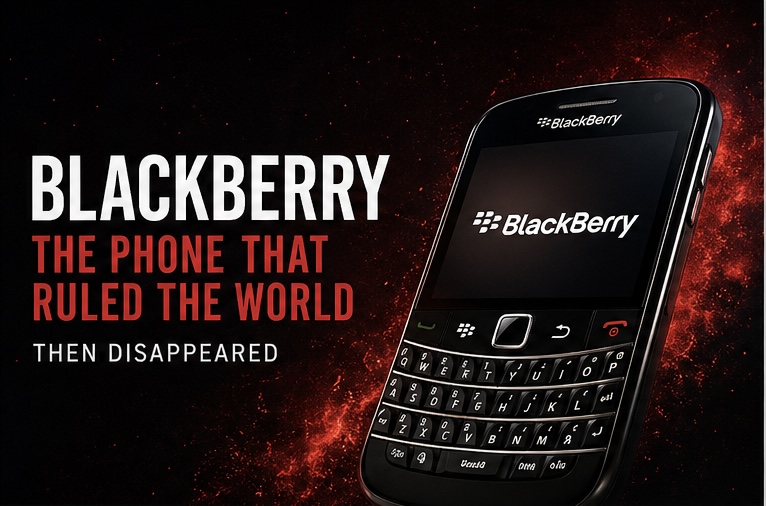
BlackBerry stuck with what had always worked. The physical keyboard had been its biggest strength, so the company was slow to embrace touchscreens. When it finally launched the BlackBerry Storm in 2008 — its first full touchscreen phone — the result was a disaster. The “SurePress” screen required you to physically click the entire display to select anything. It was slow, buggy, and frustrating. Reviews were brutal, and many early units had to be replaced.
The app problem was even worse. While developers rushed to build for iPhone and Android, BlackBerry’s platform felt like an afterthought. Users started noticing they were missing out on popular apps that their friends and colleagues were using daily.
Another miscalculation was assuming corporate customers would stay loyal forever because of BlackBerry’s famous security. But the “bring your own device” trend took off. Employees wanted one nice phone that handled both work emails and personal life — Instagram, YouTube, games, and everything else. Many started carrying an iPhone for personal use and a BlackBerry for work, then eventually ditched the BlackBerry.
By the early 2010s, BlackBerry phones began to feel slow and outdated. Web browsing lagged behind, the interface looked old-school, and the overall experience couldn’t match the smoothness of iOS or Android.
The Downward Spiral
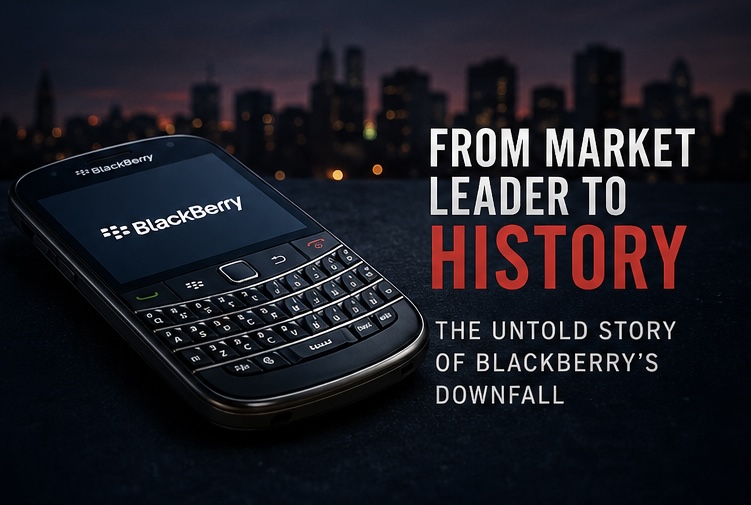
The numbers tell the story. After dominating the U.S. market with over 40% share in 2010–2011, BlackBerry’s position collapsed. Sales dropped sharply. The company tried to fight back with the BlackBerry 10 operating system in 2013, but it came too late and didn’t gain much traction.
Internal problems made things harder — delayed product launches, a failed tablet called the PlayBook, and massive service outages that left millions of users without email for days. Leadership changes followed. Lazaridis and Balsillie stepped down, and new CEOs tried to turn things around, but the damage was done.
In the end, BlackBerry stopped making its own phones. It sold off the hardware business and refocused on software and cybersecurity, where its reputation for security still carried some weight. The iconic BlackBerry devices that once ruled corporate America are now mostly relics.
What Should Ha
ve Happened
Looking back, BlackBerry had almost every advantage a company could want: loyal users, deep corporate relationships, strong security tech, and years of head start. What it lacked was speed and humility.
If it had taken touchscreens seriously earlier instead of treating the iPhone like a fad… If it had poured real money and attention into building a strong app ecosystem… If it had listened when users started wanting one powerful device for everything instead of just secure email…
The story could have been very different.
Lessons That Still Matter Today
BlackBerry’s fall offers clear warnings for any business in tech — or any fast-moving industry:
- Past success can blind you. The things that made you great can become the very things holding you back if you cling to them too tightly.
- Big trends are easy to dismiss until they’re not. BlackBerry saw the iPhone and Android coming but convinced itself its enterprise moat would protect it.
- Hardware alone isn’t enough anymore. Without a thriving ecosystem of apps and developers, even the best device loses relevance.
- Customers don’t stay loyal out of habit. People’s needs and tastes evolve quickly. Companies that don’t evolve with them get left behind.
Final
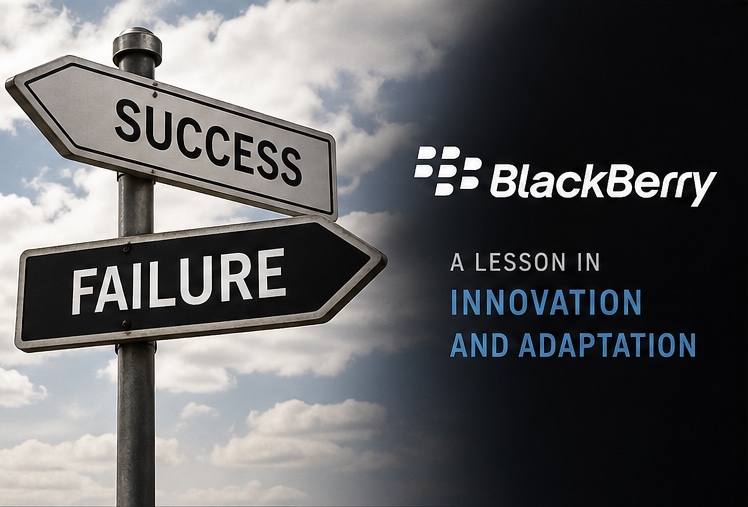
BlackBerry didn’t fail because it was a bad company. It succeeded brilliantly at solving the problems of its time — giving mobile professionals reliable email and secure communication. Its real mistake was believing that what worked yesterday would automatically work tomorrow.
In the end, its story isn’t just about one fallen giant. It’s a reminder that in technology, the biggest competitor isn’t always another company. Sometimes, it’s change itself.
Reaching the top is hard. Staying there while the ground keeps shifting underneath you? That’s even harder.