
Quibi: It Had Everything… But Somehow, It Still Didn’t Work
There are some business failures where you immediately get it.
You look at the product or the timing or the decisions, and you think—yeah, this was going to happen.
And then there are cases like Quibi.
The kind where, even after it’s over, you’re still a little confused. In fact, many people still search why did Quibi fail despite huge funding because nothing about it looked weak.
If anything, it looked stronger than most things that usually succeed.
It had money. A lot of it.
It had experienced people behind it.
It had an idea that didn’t sound crazy.
And even today, the Quibi failure explained in simple terms doesn’t feel so simple.
Short, high-quality videos for people who don’t have time.
That doesn’t sound like a bad bet.
And still… it was gone in about six months.
The Idea Actually Made Sense
That’s the part that makes this story stick.
Quibi wasn’t trying to fix a random problem. It was built around something most people feel every day—that sense of not having enough time.
You know those small gaps in your day? That’s where Quibi wanted to exist. But looking back, this also explains why premium short videos did not work the way they expected. People already had quick entertainment options, and many short form streaming platforms fail when they try to reinvent behavior instead of fitting into it.
Still, if someone told you that idea casually, you’d probably say, “yeah, I’d try that.”
It doesn’t sound wrong.
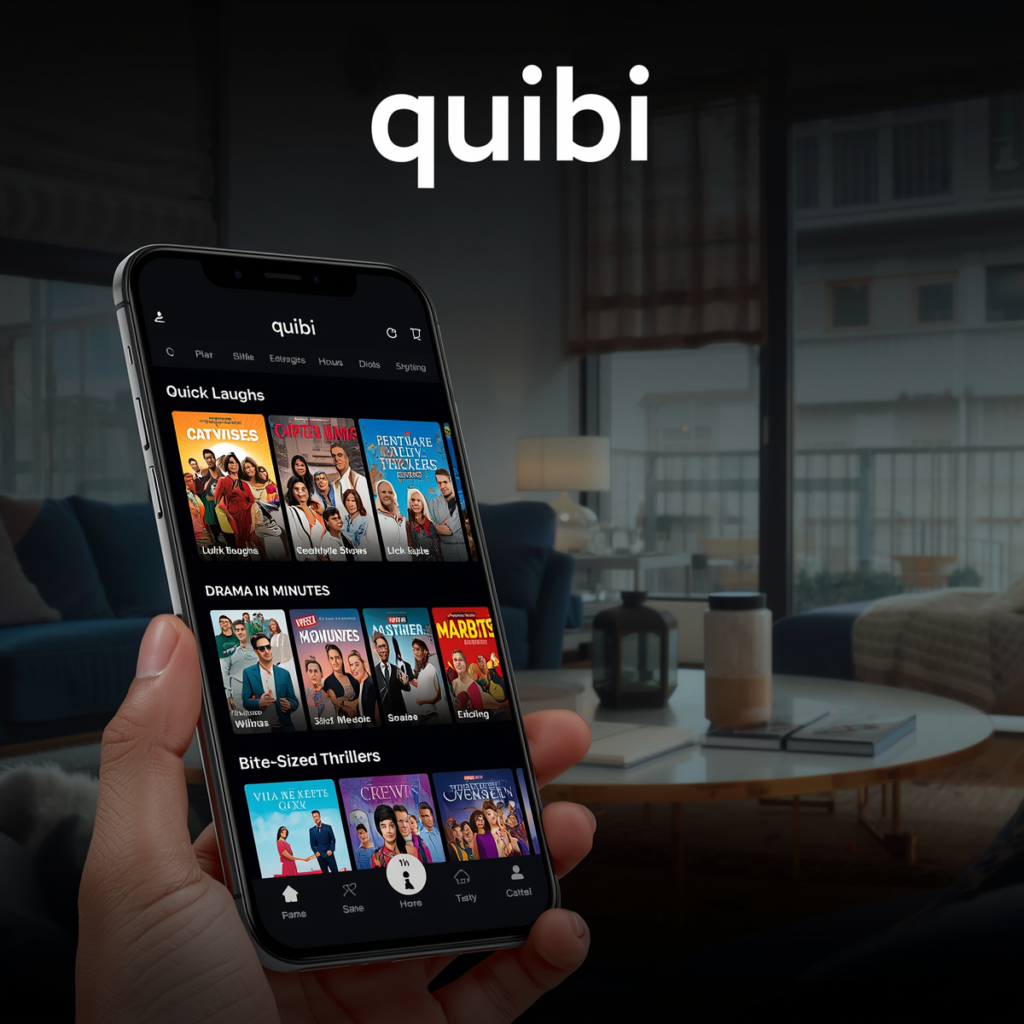
It Didn’t Feel Like a Risky Startup
Some startups feel experimental.
Quibi didn’t feel like that.
It felt… decided.
And that’s where the Quibi business model analysis and mistakes become interesting. The strategy looked polished, but it didn’t leave much room for learning.
From the outside, it seemed like everything was already figured out. But in reality, that’s often what went wrong with Quibi startup strategy—too much confidence, not enough iteration.
And Then Nothing Really Happened
That’s probably the strangest part.
It didn’t collapse instantly.
People downloaded it. They were curious.
But after that… it just didn’t become part of their routine.
And this is where why users did not adopt Quibi app becomes clearer.
Because when people don’t come back, it’s not always about a big mistake. Sometimes, it’s about something missing.
⸻
It Never Became a Habit
If you think about the apps you use the most, you don’t decide to use them.
You just open them.
That’s why how user habits affect product success is so important.
Quibi never reached that point.
It wasn’t broken. But it didn’t feel natural either. And platforms that understand how content platforms build user habits usually win in the long run.
⸻
It Sat in an Awkward Middle
Quibi tried to create its own category.
But this is where importance of product market fit in startups really shows up.
When they want something quick, users go for something easy and free.
When they want something meaningful, they invest time.
Quibi didn’t fully satisfy either side.
And that’s often why good ideas fail in startups—they sound right, but don’t fit real behavior.
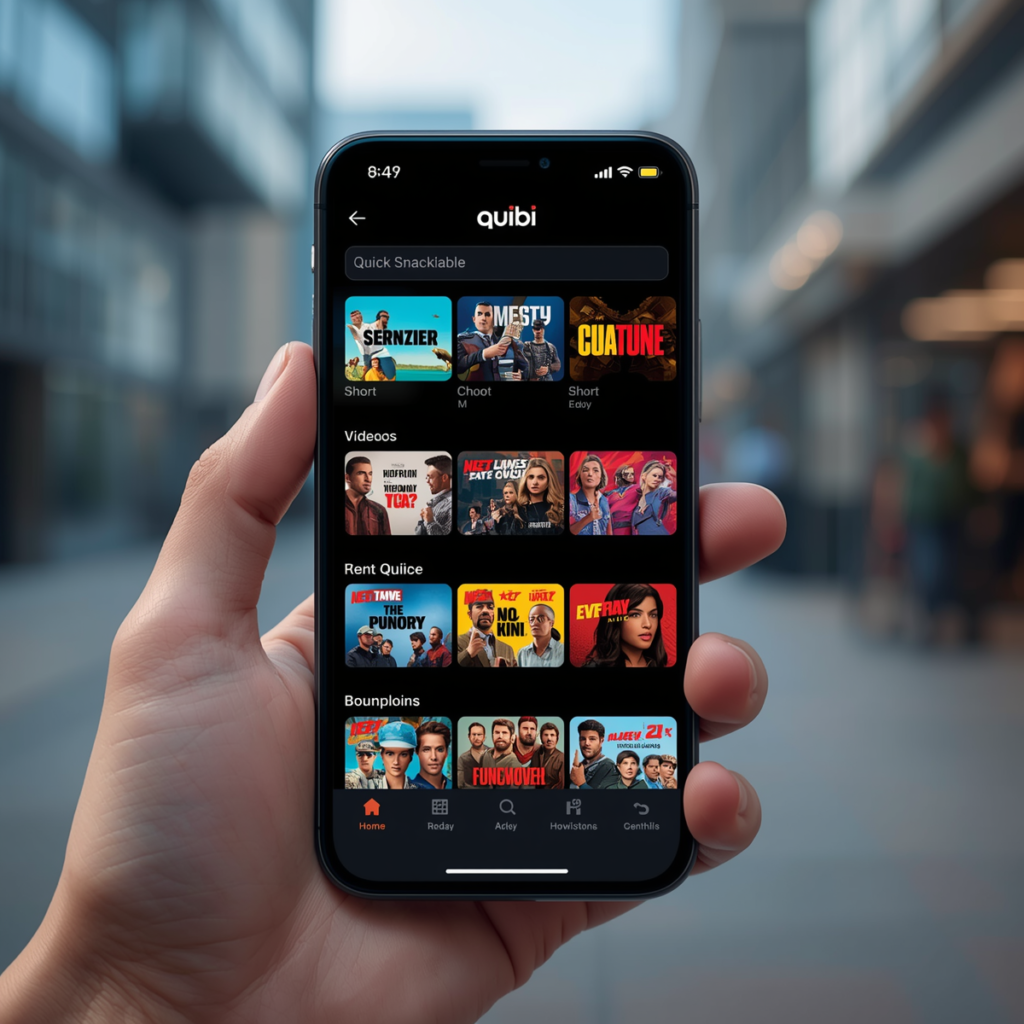
Then Everything Around It Changed
There’s also the part no one could control.
The impact of COVID-19 on Quibi failure was massive.
Quibi was built for movement—for commuting, waiting, small gaps.
But suddenly, those gaps disappeared.
And this highlights why timing matters in startup success. Even a strong idea can fail if the world changes around it.
It Also Asked for Small Effort
Not a lot. Just a little.
But even that can be enough.
The mobile-only approach showed why mobile only platforms struggle to grow. People want flexibility—TV, laptop, phone.
Even small limitations create friction.
And most users don’t push through friction.
They leave.
⸻
There Was No Real Pull
Nothing that made you feel like you were missing something.
That’s why why engagement matters more than downloads.
People tried Quibi. But they didn’t stay.
And that’s exactly why people stopped using Quibi app—not because it was terrible, but because it wasn’t essential.
⸻
It Stayed Inside Itself
Growth today comes from sharing.
But Quibi didn’t allow that.
And this shows the importance of shareability in digital products.
If people can’t easily share something, it doesn’t spread.
And if it doesn’t spread, it doesn’t grow.

Maybe It Just Happened Too Fast
Quibi launched fully built.
But sometimes, that’s the problem.
It skipped the messy phase.
That’s why it’s often used as an example of how not to launch a streaming platform.
Because without early feedback, you miss what people actually want.
And that’s one of the biggest lessons from Quibi business failure case study.
⸻
The Ending Was Almost… Quiet
There was no dramatic collapse.
Just a realization.
It wasn’t working.
And that was it.
⸻
So What Went Wrong?
It’s not one thing.
It’s never just one thing.
It’s small gaps.
Between what sounds right and what feels right.
Between expectations and behavior.
That’s why the Quibi content strategy problems explained don’t come down to a single mistake.

Final thought
The story of Quibi shows that even the best-funded and most connected ideas can fail if they don’t really fit into people’s lives. It wasn’t a lack of money, talent, or ambition that brought it down; it was that the product didn’t connect with the audience. On paper, the idea of short, high-quality videos sounded great. But in reality, people already had platforms that met that need in a more flexible and familiar way.
Timing also played a role. Launching during a global pandemic changed how and where people consumed content, making Quibi’s mobile-only approach feel limiting rather than innovative.
Quibi is now a Quibi failure case study for entrepreneurs. A reminder that even when everything looks right, something can still be missing. Not money Not effort. Not intelligence. Just that simple, hard-to-define thing— A natural place in people’s lives.Because if something doesn’t fit there, people don’t force it. They just… stop using it. And eventually, it fades
In the end, Quibi teaches an important lesson: success isn’t just about having a great idea—