
Nokia: The Unbreakable Phone That Couldn’t Survive the Smartphone Revolution
Think back to the early days of mobile phones, and chances are your very first handset was a Nokia. For so many of us, Nokia wasn’t just another brand — it felt personal. Those phones were rock-solid, dead simple, and built like nothing else. You could drop them, kick them, even run over them with a car, and they’d still turn on with a smile. The battery? It lasted days, sometimes a whole week without a charge. No constant anxiety about plugging in.
That’s why Nokia still lives in our hearts with this warm, nostalgic glow. It wasn’t just the biggest phone maker in the world for years — it was the phone maker. Walk down any street in Delhi, Lagos, London or New York in the early 2000s, and you’d spot Nokia phones everywhere. It felt like they would rule forever. But life, and business, has a way of surprising us.
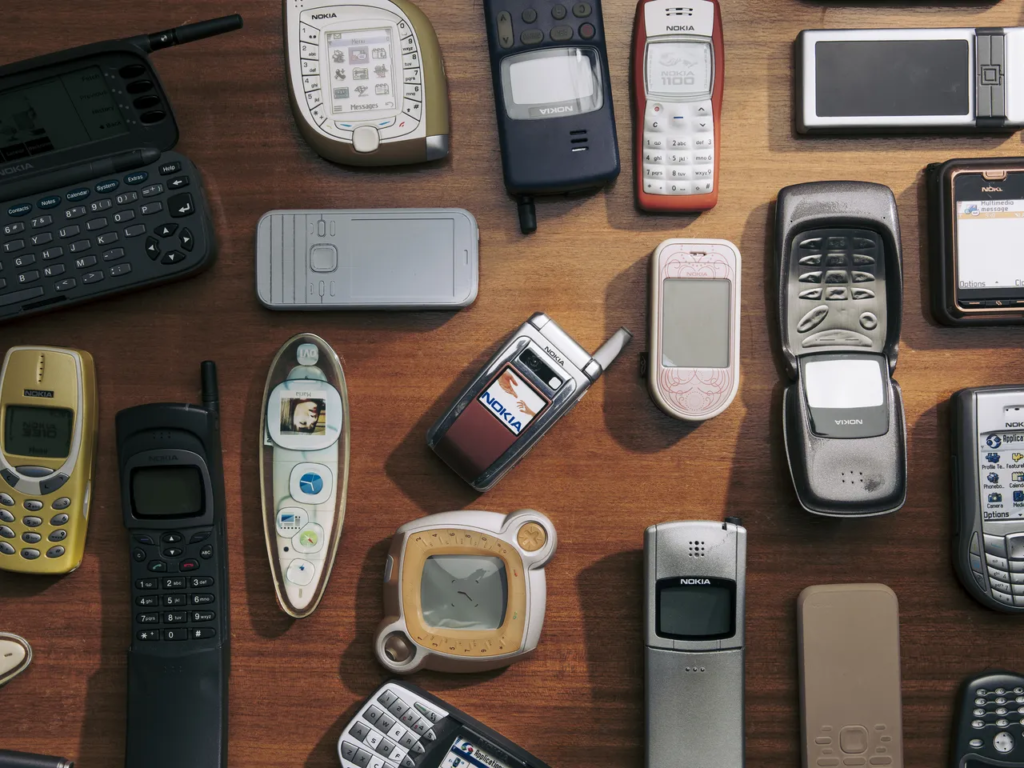
These days, when someone searches “why Nokia failed” or “rise and fall of Nokia,” they’re usually trying to figure out one thing: how did the undisputed king of mobile phones lose its throne so completely?
The truth isn’t about one single disaster. It’s about a perfect storm — shifting customer tastes, slow decisions, internal confusion, and the quiet danger of getting too comfortable at the top.
Nokia’s Humble Beginnings
What shocks most people is that Nokia didn’t start out making phones at all. Way back in 1865, it began as a tiny paper mill on the banks of a river in Finland. Over the decades it quietly moved into rubber boots, cables, electronics, and eventually telecom. That flexibility kept the company alive for more than a century.
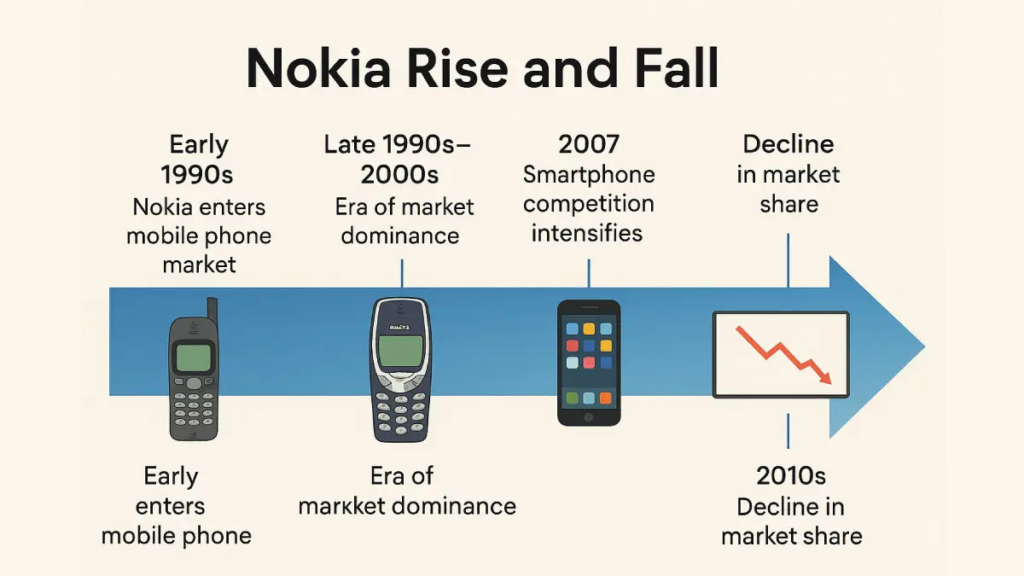
Then came the game-changing call in the 1990s. Nokia decided to bet almost everything on mobile phones and shed most of its other businesses. That bold move turned out to be pure genius. In just a few years, Nokia went from a respected Finnish firm to a global icon.
Why the World Fell in Love with Nokia
Nokia’s rise felt unstoppable because the phones were genuinely lovable. They were tough as nails. The legendary Nokia 3310 is still talked about today as one of the most durable phones ever made. People dropped it from balconies, used it as a hammer, and it just kept working.
But strength wasn’t the only magic. Nokia phones were incredibly easy to use. Big, satisfying buttons, clear menus, and battery life that felt like a miracle. Grandparents, kids, and everyone in between could pick one up and start using it in minutes. No complicated manuals needed.
Nokia also played the timing perfectly. Mobile phones were exploding in popularity, and the company scaled faster than anyone else — building factories, distribution networks, and brand love across every continent. By the early 2000s, Nokia sat on top of the world with almost 40% of the global market. When anyone searched for best-selling mobile brands, Nokia was always number one.
The Ground Started Shifting
While Nokia was busy enjoying its dominance, the world around it was quietly changing. People no longer wanted phones just for calls and texts. They craved music, cameras, internet, games, and later — apps. The smartphone era was dawning.
At first, Nokia didn’t seem too worried. Sales were still massive, and its lead looked rock solid. But underneath, Apple and Google were preparing to flip the entire industry upside down.
The iPhone That Changed Everything
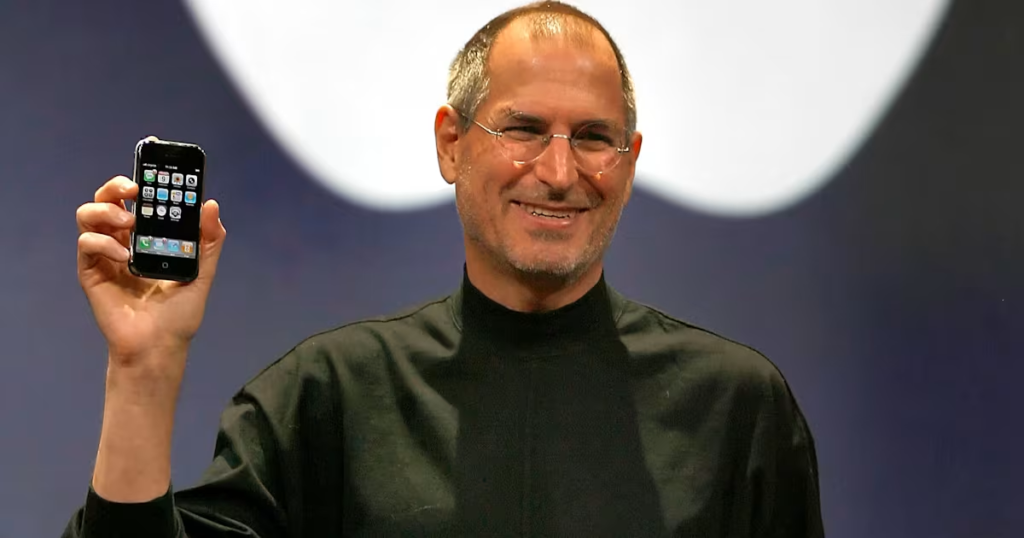
The real turning point hit in 2007 when Apple launched the first iPhone. It wasn’t just a better phone — it was a completely new way to think about what a phone could be. Touchscreen, smooth interface, real web browsing, and the promise of an entire app world.
Nokia noticed, of course. Many inside the company saw the threat clearly. But the giant organization moved too slowly. Instead of rushing into modern smartphones, Nokia kept leaning on its old feature phones and the aging Symbian operating system. What once felt advanced now looked clunky and outdated next to iOS and the fast-rising Android.
While Apple and Samsung poured everything into creating delightful experiences, Nokia struggled with slow software and an OS that developers didn’t want to support.
Why the Giant Couldn’t Run Fast Enough
Success itself became part of the problem. When you’re making billions and sitting on top, it’s easy to get comfortable. Decision-making inside Nokia grew slow and messy. Different teams argued about the future — some pushed hard for smartphones, others believed the old reliable phones would keep selling forever.
In the fast-moving tech world, even a year’s delay can be deadly. By the time Nokia fully accepted how serious the shift was, Apple and Samsung had already built huge leads.
The Microsoft Partnership Gamble
As losses mounted, Nokia made one final big swing. In 2011, it teamed up with Microsoft and switched to the Windows Phone platform. On paper it looked smart — Microsoft had deep pockets and software muscle. Many hoped Nokia’s beautiful hardware combined with Windows would create a real third option against iOS and Android.
Sadly, it didn’t click. Windows Phone never attracted enough apps or developers. Even though Nokia made some gorgeous Lumia phones, the ecosystem felt too small. Most people simply chose the mature, app-rich worlds of iPhone and Android.
The Sad Farewell
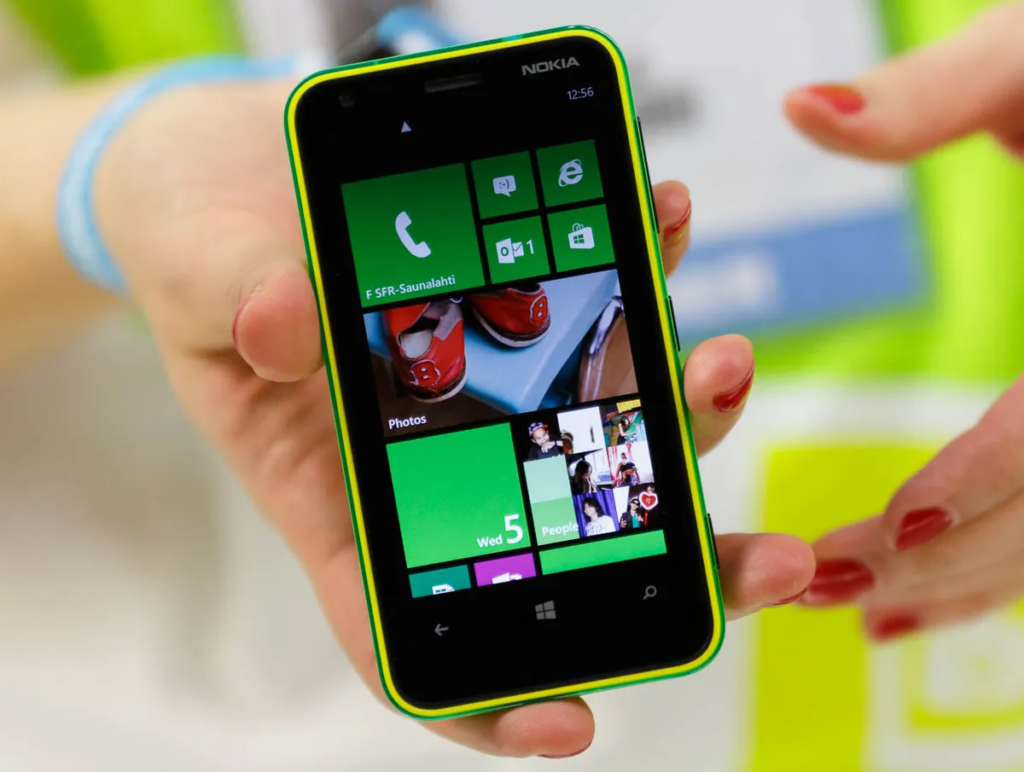
By 2014, things had become unsustainable. Nokia ended up selling its entire mobile phone division to Microsoft. For millions of fans around the world, it felt like the end of an era. The company that once defined mobile phones had to let go of its most famous business.
Nokia itself didn’t vanish — it kept working in networks and other areas — but the classic Nokia phones that shaped our childhoods and early adulthood largely disappeared from the mainstream.
Lessons That Still Matter Today
Nokia’s story isn’t just about failure. It’s packed with hard-earned wisdom:
Change never waits. No matter how big you are, new technology and shifting customer desires can rewrite the rules overnight.
Today’s massive success doesn’t guarantee tomorrow’s survival. Comfort is silent killer.
You have to truly listen to what customers want. People were asking for better software, touchscreens, and rich experiences.
In today’s world, great hardware alone isn’t enough. People buy the full experience — software, apps, updates, and ease of use.
Final Thoughts
The rise and fall of Nokia remains one of the most powerful business stories ever told. It shows how quickly industries can flip and how dangerous it is to sit back and enjoy the view when the world is moving forward.
But it’s not only a tale of loss. It’s also about incredible innovation, global ambition, and the courage to reinvent yourself again and again. Nokia has done it before, and maybe one day it will surprise us again.
For anyone who grew up with those unbreakable Nokia bricks in their pocket, the story hits different. It reminds us that nothing lasts forever unless you keep evolving with the times. In business — and in life — staying strong isn’t just about being tough. It’s about being ready to change before the world changes without you.