
Pets.com: The Company Everyone Remembered, But No One Could Save
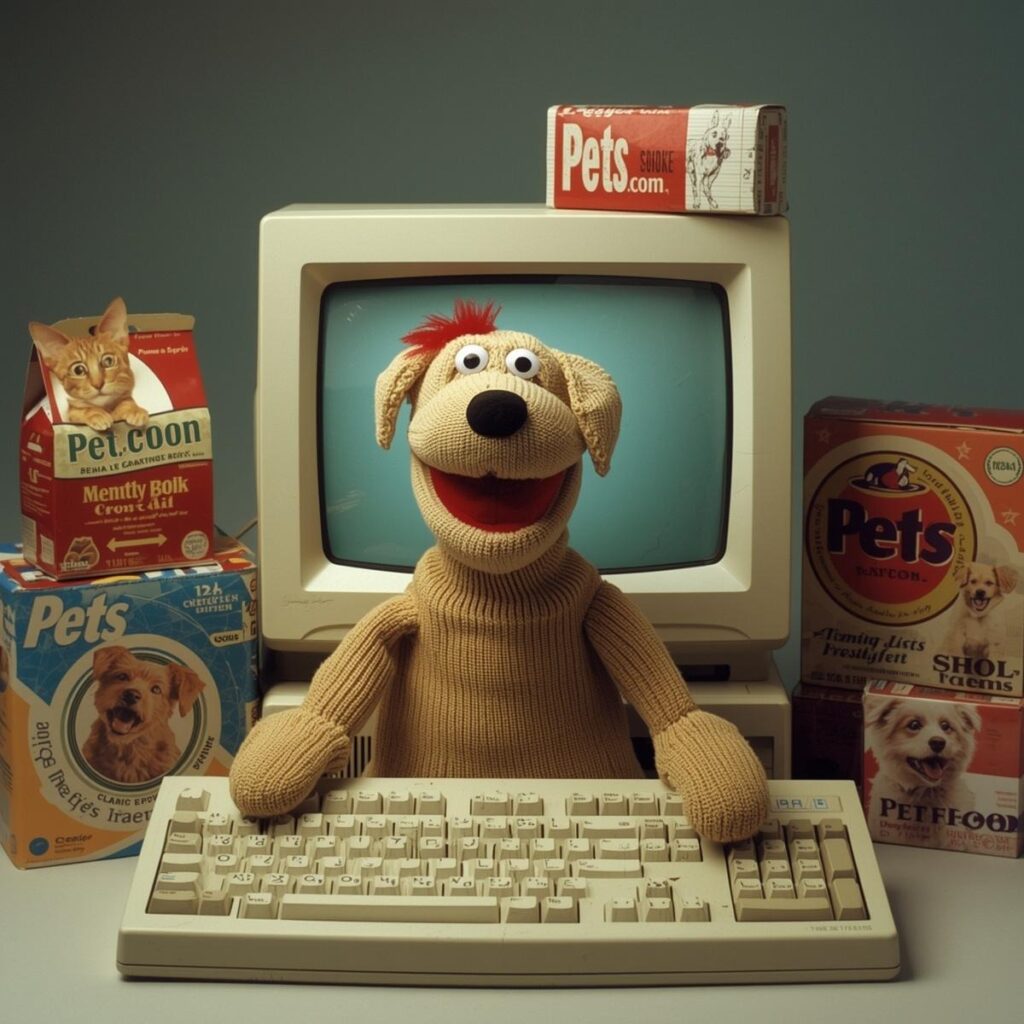
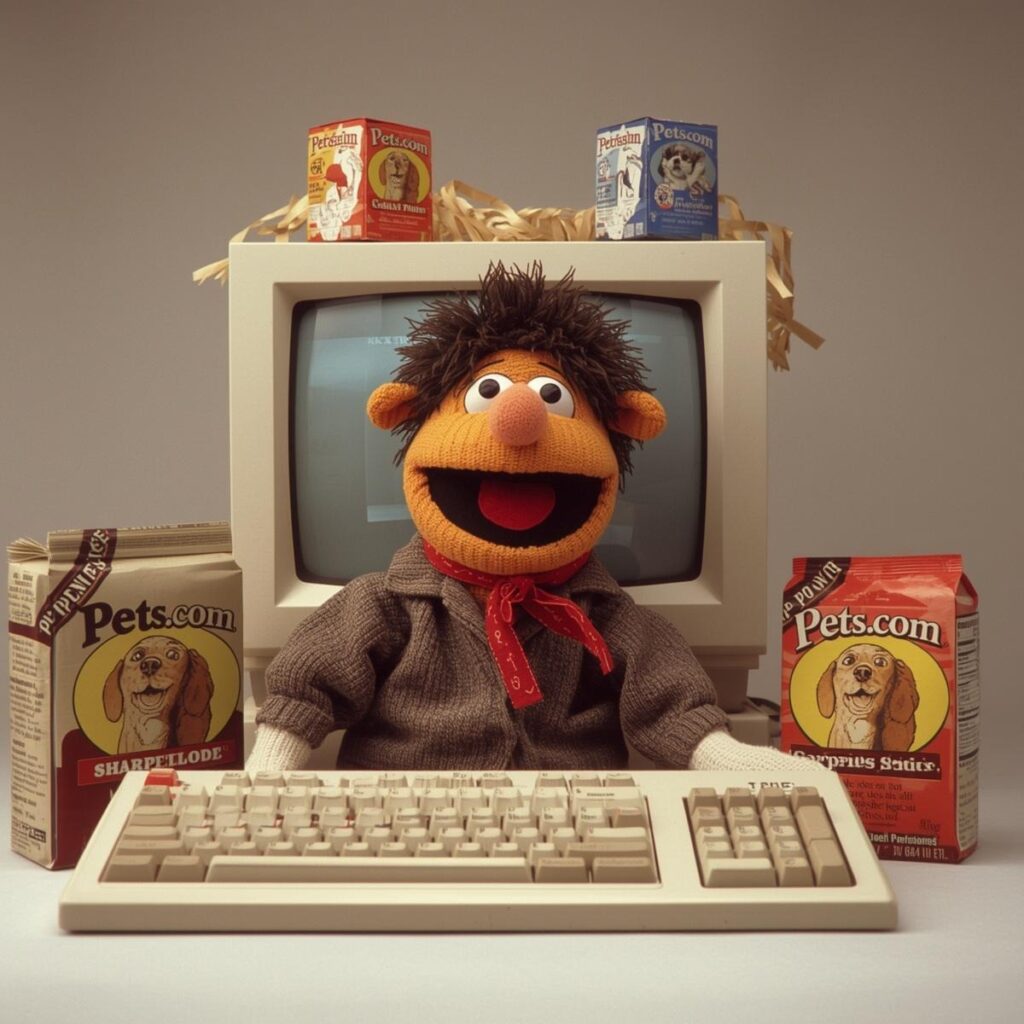
If you go back to the early internet days, there’s a weird chance you remember something very random—a sock puppet talking about pet food. Not a big company name. Not a product. Just… that puppet. It’s funny how that’s what stuck. That wasPets.com.
For a short time, it felt like they were everywhere. Ads popping up, people talking about it, that puppet showing up again and again like it had a personality of its own. In fact, their Pets.com marketing strategy sock puppet campaign is still remembered as one of the most iconic branding efforts. And then, somehow, it all just faded away. No big dramatic ending. No long decline. Just… gone.
That’s probably why the Pets.com rise and fall story still feels strange even now. The Idea Wasn’t the Problem , If you strip everything back, the idea behind Pets.com was actually very simple. Sell pet supplies online. Deliver them to people’s homes. That’s it.
Looking at it today, especially when comparing Pets.com vs. modern e-commerce companies, the idea feels obvious. But back then, it wasn’t.
People weren’t used to buying things online. Trust issues, payment fears, and weak delivery systems made it risky. This is why many experts now describe it as an early e-commerce failure, like Pets.com—not because the idea was bad, but because the timing was off. They Didn’t Hold Back One thing you have to give them—they didn’t do anything halfway. They showed up loudly. Their branding became a textbook case ofPets.com branding success but business failure. Even people who never bought anything still remembered them. From a visibility standpoint, this looked like success. But as manyPets.com case studies for MBA students point out, attention alone doesn’t guarantee sustainability. For a While, It Felt Like Momentum At that time, the internet boom created massive excitement. Investors poured money into startups, even without clear profit models. Pets.com fit perfectly into this wave of dot-com bubble failures, an examplePets.com would later represent.
They even had backing connected to major players, which added credibility. Growth came fast—warehouses expanded, logistics scaled, and operations increased. But this is where thePets.com growth vs. profitability problem quietly started. The Part That Didn’t Quite Work Here’s where things get real. They weren’t making money. ThePets.com business model analysis of 2000 shows a clear issue—shipping heavy products like pet food and cat litter costs more than what customers paid. This created a seriousPets.com shipping cost problem analysis situation. Add discounts and free delivery, and every order became a loss. This is one of the biggestPets.com failure reasons explained simply—they were losing money on every sale. When Growth Feels… Wrong
Normally, growth is good. But here, it made things worse.
More orders meant more losses. This is often highlighted in Pets.com‘s financial losses and explained breakdowns. Instead of fixing the system, they scaled it. This is why today, many entrepreneurs studyPets.com startup mistakes to avoid them—because scaling a broken model only increases damage. Spending Didn’t Slow Down Either At the same time, marketing spend remained high. While branding worked, the gap between revenue and expenses kept growing. This is often discussed in what went wrong withPets.com business analyses. It reached a point where growth couldn’t cover losses anymore. Maybe It Was Just Too Soon. Looking back, the idea itself wasn’t wrong. It was just early. The infrastructure, customer trust, and logistics weren’t ready. That’s why thePets.com story and dot com bubble lessons are still relevant today. Timing matters just as much as the idea. And Then Everything Shifted. Around 2000, the dot-com bubble burst. Investor confidence dropped. Funding slowed.
This is where the Pets.com dot-com crash impact analysis becomes important—because the company depended heavily on external funding. Once that stopped, there was no backup. The Illusion of Success One of the most interesting parts of thePets.com story is how successful it looked from the outside. The brand was everywhere. People recognized it instantly. Investors were interested. Media coverage was strong. But visibility and viability are not the same thing.
This illusion is a key part of the Pets.com failure case study explained: what looked like growth was actually unsustainable momentum. A Business Built on Hope During the dot-com boom, many companies were built on belief. Belief that the internet would fix everything. Belief that scale would eventually solve costs. Belief that profits could come later.But in this case, that belief wasn’t enough.ThePets.com growth vs. profitability problem shows how dangerous it is to assume growth will automatically lead to success.
The Human Side of the Story It’s easy to forget that real people were behind these decisions. From the outside, it looks obvious. Cut costs. Slow down. Fix the model. But inside a fast-moving startup, things feel very different. Pressure from investors, excitement in the market, and constant expansion make it hard to step back. That’s what makes this story relatable—it’s not just failure, it’s momentum without control. The Ending Came… Quietly Pets.com shut down in November 2000. Not after years. Not after a long fight. Just months after going public. ThePets.com success and failure timeline is surprisingly short. One moment they were everywhere. Then they weren’t. Why People Still Remember It Many companies fail. Most are forgotten, ButPets.com isn’t. Maybe because it’s a perfect example of whyPets.com could not survive despite popularity. Or maybe because it proves a deeper truth—Pets.com shows why popularity is not enough in business.
The Illusion of Success (Continued Reality) Even today, the lessons feel relevant. Modern startups still chase attention, viral growth, and rapid scaling. But the core question remains the same: Does the business actually work? That’s why lessons fromPets.com‘s failure for startups are still studied everywhere. CouldPets.com Have Survived Today? It’s an interesting thought. With better logistics, stronger trust in online shopping, and efficient supply chains from companies like Amazon, the idea might actually work today. But even now, success would depend on the same thing: unit economics.
Because no matter how modern the world becomes, a business still has to make financial sense. In the End, It Wasn’t Just One Thing It’s easy to look for a single reason. But thePets.com failure case study explained it was a mix of issues: Weak unit economics High logistics costs Overspending on marketing Poor timing in the market This is why it’s still used in startup lessons today. Final Thought The idea made sense.The attention was there. But the foundation didn’t hold. And sometimes, that’s all it takes.