
The Rise And Fall Of Business of Kodak
The Kodak story always gets me thinking—it’s like one of those family tales where everything was perfect until it wasn’t. Back in Delhi, my childhood was full of those yellow Kodak envelopes tucked in drawers, full of slightly overexposed pics from trips to Shimla or just cousins messing around at home. The wait for the prints to come back felt exciting, you know? Then smartphones came, and suddenly those envelopes gathered dust. Kodak went from being everywhere to… well, fighting to stay relevant. It’s sad, but man, what a lesson in how fast things can change. Let me tell it straight, like I’m recounting it to a friend.
How It Began: One Man’s Frustration Changed Photography Forever
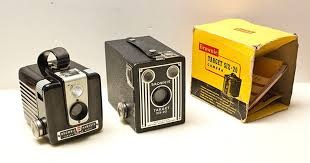
George Eastman, the founder of Kodak company, wasn’t some big-shot inventor at first—he was just a guy working at a bank in Rochester, New York, who got into photography as a hobby in the 1870s. He hated it. The cameras were huge, plates were glass and fragile, you had to mix chemicals in a darkroom…
So he started fixing it. Around 1880, he improved dry plates. Then came flexible roll Kodak film in the mid-1880s. By 1888, he launched the first real Kodak camera—a little box thing pre-loaded with film for 100 shots. You took pictures, mailed the camera back, they developed everything, sent prints and reloaded film. Cost about $25 (crazy expensive back then), but his line summed it up perfectly: “You press the button, we do the rest.”
No skills needed. Families jumped in. Kids, grandparents—everyone started snapping moments. Then the Brownie in 1900 for just $1? That made it affordable for literally anyone. Kodak factories boomed, creating whole communities in Rochester and giving workers good benefits. It felt like the Kodak brands really cared.
Peak Kodak: Film Was King, Money Rolled In
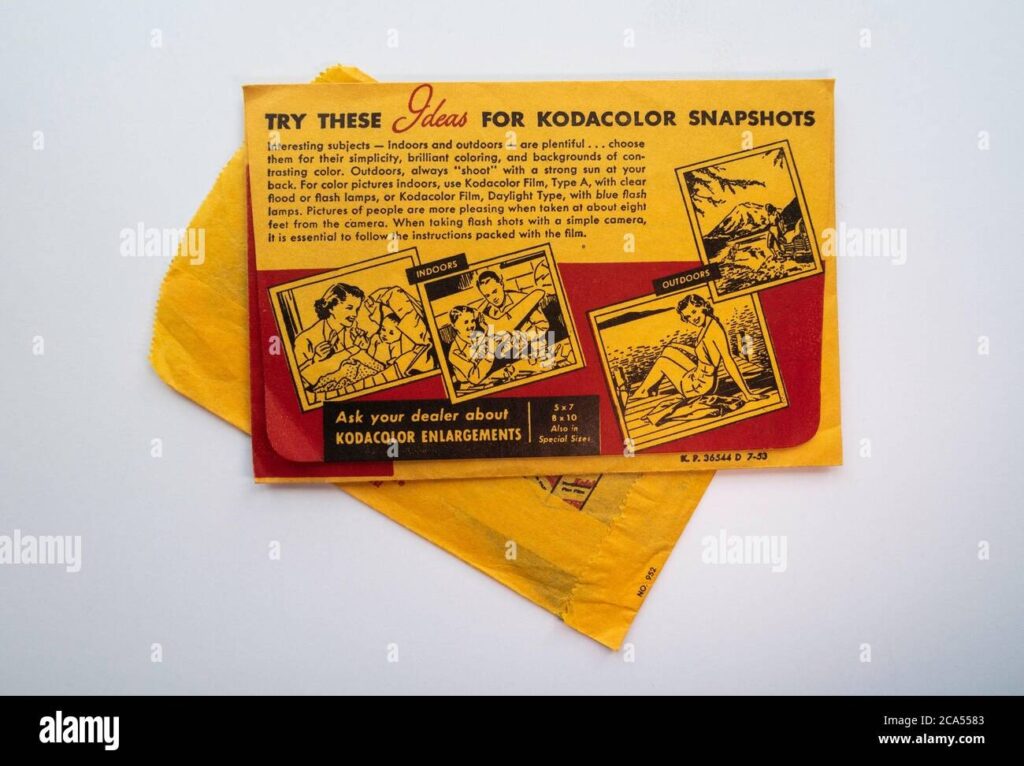
For like 70–80 years, Kodak was photography. Brownie cameras everywhere, then color film like Kodachrome in the 1930s—those vibrant slides were unreal. Instamatic in the 60s with easy cartridges. They supplied Kodak film for movies, news, even space missions.
The real trick? Cheap cameras, expensive film. You buy the camera once, but film rolls over and over. Margins on Kodak film were huge—70% or more. By the 70s and 80s, they had most of the U.S. market, maybe 80–90%. “Kodak moment” became a phrase we all used. Stock was safe, people invested for retirement thinking it’d last forever.
But Fuji started selling cheaper film, eating into profits a bit. Kodak tried some side things like copiers, but film was the money-maker.
The Big Twist: They Built the Future, Then Hid From It
1975 rolls around. A Kodak engineer, Steven Sasson, builds the first digital camera prototype in their labs. Tiny resolution, black-and-white, saved to tape, played on TV. Took forever per shot. But no film at all.
He demos it. Some people got pumped, but the bosses? Mostly scared. Digital would kill Kodak film sales—their huge profit source. They patented it, messed around a little in the 90s with digital add-ons, but never pushed hard. Too risky business to their main Kodak company operations.
While Kodak hesitated, Sony, Canon, Nikon went all in. DSLR cameras, digital cameras, better camera lenses, color screens, memory cards, instant previews—everything improved fast. Then smartphones added cameras—iPhone in 2007 basically ended film cameras for most people.
Kodak tried catching up with its own digital lines, including disposable cameras and other digital cameras, but it was too late. Kodak film sales crashed after 2000.
The Hard Fall: Everything Crumbled

2000s were painful. Losses in billions. Plants closed, over 100,000 jobs gone (from peak around 145k). They sold off parts—healthcare imaging, printers. Stock tanked from high $90s in the 90s to almost nothing.
January 2012: bankruptcy filing. Chapter 11. The company that captured so many lives’ moments was broke.
They restructured, came out in 2013 smaller. Dropped consumer cameras (phones won anyway). Shifted to business printing, chemicals, some movie film.
Kodak Now—March 2026: Hanging On, Even Growing a Bit
Latest update from their March 12 earnings (Q4 and full 2025): Revenue hit $1.069 billion for the year, up a couple percent from 2024. Q4 alone $290 million, up 9%. Their Advanced Materials & Chemicals part grew strong—25% in Q4. Operational profits better, cash position improved to around $337 million after some pension stuff. There was a net loss overall (around $128 million for the year, hit by one-time charges), but operationally they’re turning corners.
CEO Jim Continenza said it’s setting up for growth in 2026. Not the old massive Kodak company, but focused on commercial printing presses, industrial films, chemicals. Stock jumped a bit after the report. Still around 3–4k employees. It’s a slow comeback, but they’re not gone.
What It Really Teaches Us
Business analysts look at Kodak as a classic case study:
New tech can sneak up and wreck the old way. They invented digital cameras but feared losing Kodak film revenue.
Don’t get too comfortable when things are good. Big profits make you blind.
Pivot early—Fujifilm switched to beauty products and healthcare, did great. Kodak waited too long.
Listen to the people building the tech, not just the finance guys.
Change hits fast. Once it starts, catching up is brutal.
Nothing lasts forever. Even legends fall if they don’t adapt.
For entrepreneurs, whether you’re exploring business ideas or seeking a business loan to fund your venture, Kodak’s story is a warning: innovate, adapt, and never underestimate disruption.
Kodak gave us all those family photos, the joy of holding prints. Its story? Keep your eyes open, be ready to shift, or the world leaves you behind. In 2026, they’re still here, quietly rebuilding. Maybe that’s the new Kodak moment—surviving with digital cameras, DSLR cameras, and even disposable cameras alongside the legacy of Kodak film and Kodak brands.
If you want, I can also optimize this blog for SEO with headings, meta description, and keyword density to make it Google-friendly in 2026.