
The Rise and Fall of Blockbuster: A Story We All Kind of Lived Through
Man, remember Friday nights in the late 90s and early 2000s? You’d pile the family in the car, drive down to the local Blockbuster Video company store, and spend forever wandering those bright aisles full of VHS tapes and later DVDs. Most of the time we were looking for English movies, maybe some action movies, or even an epic movie everyone had been talking about.
Sometimes you’d find older titles too — I remember picking up a random 1992 movie once just because the cover looked cool.
It was almost like an event—grabbing a couple of movies, maybe some popcorn, and heading home for movie night. At its peak, Blockbuster had over 9,000 stores worldwide and employed around 84,000 people. They basically ruled the entire home entertainment world.
Back then, if you wanted to watch free movies or rent something for the weekend, Blockbuster was the place to go.
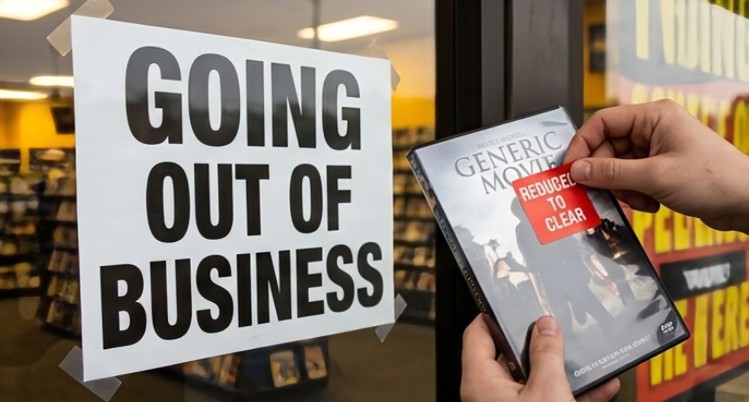
And then… poof. It was gone.
Now it’s the textbook example of a giant company that completely collapsed.
So what the hell happened?
⸻
How They Got So Big in the First Place
The Blockbuster Video company started back in 1985 and honestly changed the game.
Before them, video stores were small, messy, and you never knew what you’d find. Blockbuster made everything feel professional—clean shelves, huge selections of English movies, action movies, comedies, and the occasional epic movie everyone wanted to watch.
They opened stores everywhere and marketed like crazy.
By the mid-90s they were the king of movie rentals.
Their big money-maker?
Renting movies for a few days… and those brutal late fees.
Seriously, late fees were a massive part of their profits.
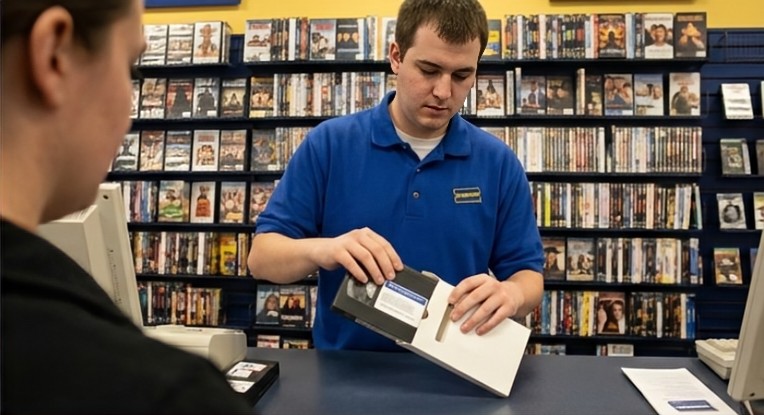
It worked amazingly well — until the world changed.
⸻
When Netflix Sneaked In
The early 2000s rolled around and things started shifting.
DVDs were taking over. The internet was getting faster. People were slowly starting to watch free movies online and look for easier ways to access entertainment.
Then along came Netflix.
The company launched in 1997 as a DVD-by-mail service. You’d order online, get the disc in your mailbox a few days later, and return it whenever you wanted — no late fees.
Later on, Netflix evolved into the platform we know today with new Netflix series, original films, and even Netflix anime that became hugely popular worldwide.
Blockbuster barely noticed at first.
“Who’s going to wait for the mail when you can just drive to the store?”
That was probably the thinking.
Big mistake.
⸻
The $50 Million “No Thanks”
Here’s the part that still hurts to hear.
In 2000, Netflix offered to sell itself to Blockbuster for $50 million.
Blockbuster said no.
At the time, it probably felt logical. Blockbuster was making tons of money, and Netflix looked like a small startup with an uncertain future.
Today Netflix is one of the biggest entertainment companies in the world, producing new Netflix series, Netflix anime, documentaries, and original films that dominate streaming charts.
Even investors track Netflix stock and the daily Netflix stock price because the company became such a massive force in media.
Looking back, that rejection might be one of the worst business decisions ever made.
⸻
Too Little, Too Late
As Netflix grew, Blockbuster tried to respond.
They launched their own DVD-by-mail program and later experimented with streaming.
But by then, Netflix had already built momentum.
Netflix kept expanding its catalog with thousands of films, TV shows, and eventually original productions like big epic movie-style releases and popular new Netflix series that people binge-watched every weekend.
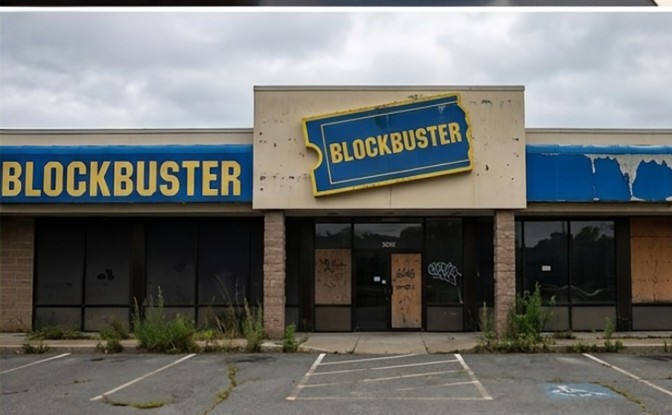
Meanwhile, Blockbuster was still tied to physical stores.
⸻
When Stores Became the Problem
At first, having thousands of stores was Blockbuster’s superpower.
But eventually it became their biggest weakness.
Rent.
Electricity.
Employee salaries.
Inventory.
Those costs never stopped.
Meanwhile, Netflix didn’t have stores at all.
People could sit at home, open their TV or laptop, see the familiar Netflix logo, and instantly start streaming movies.
They could watch English movies, documentaries, anime, or even Netflix anime without leaving the couch.
No late fees.
No driving across town.
Just click and watch.
⸻
Streaming Changed Everything
In 2007 Netflix went all-in on streaming.
Suddenly people could watch free movies online through trials, streaming services, and digital platforms.
The entire industry shifted.
Netflix began creating original shows and films — some even rivaling big theatrical releases.
Fans waited for the next new Netflix series, talked about Four Seasons Netflix style shows and lifestyle programs, and even followed Netflix collaborations with brands and pop-culture merchandise (people jokingly call it boots Netflix fashion style online).
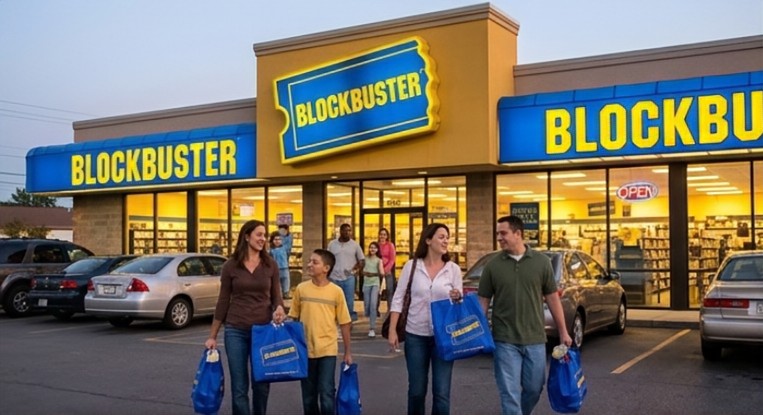
Blockbuster tried to catch up.
But it was already too late.
⸻
The Sad Ending
By 2010, Blockbuster filed for bankruptcy.
Years of declining revenue, massive debt, and missed opportunities finally caught up with them.
Dish Network bought the company in 2011, but it never recovered.
One by one the stores shut down.
Today there’s basically just one Blockbuster left in Bend, Oregon.
People visit mostly for nostalgia — taking photos, remembering the old days of renting English movies, action movies, or whatever random VHS tape caught their eye.
It’s more like a museum now.
⸻
What We Should All Remember
Looking back, the fall of the Blockbuster Video company teaches some powerful lessons.
Technology changes fast.
Customers want convenience.
And companies that don’t adapt risk disappearing.
Blockbuster had everything — brand recognition, thousands of stores, and millions of loyal customers.
Netflix had something different: the willingness to change.
Today people track Netflix stock, check the Netflix stock price, and watch the platform release hit after hit — from blockbuster films to Netflix anime and binge-worthy new Netflix series.
Meanwhile, Blockbuster became a cautionary tale.
No matter how big a company is today, standing still is the fastest way to vanish.